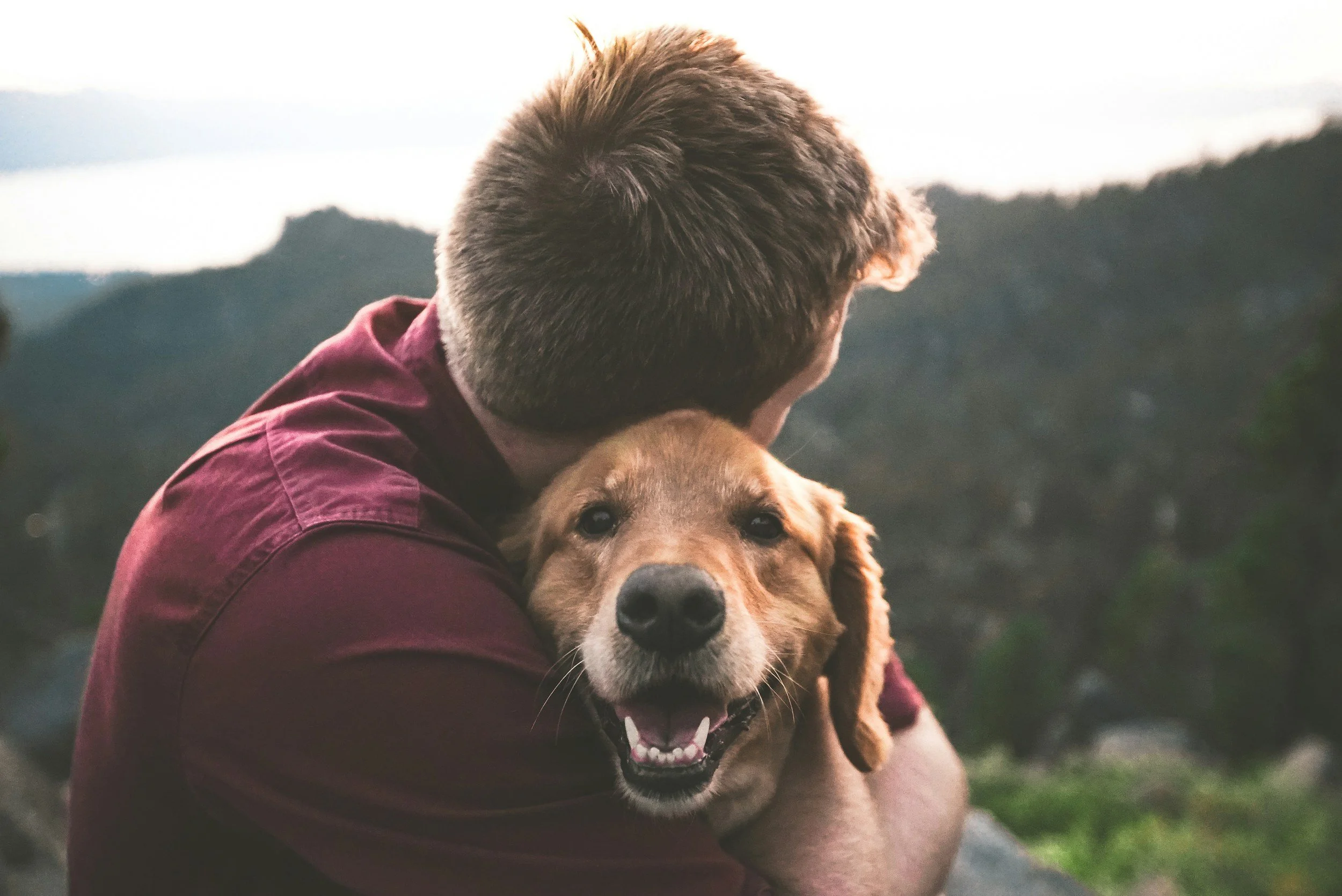
When your pet is more than a companion, losing them can feel like losing your safest relationship, your emotional home, and a source of unconditional love.
Losing a beloved pet is one of the most painful experiences a person can go through. Yet, for some people, the grief feels almost impossible to bear. The sadness is overwhelming, the emptiness is profound, and the world may no longer feel quite as safe as it once did.
You might find yourself wondering why the loss hurts so much. Why does your home feel different? Why is it so difficult to accept that they're gone? And why does the thought of never seeing them again feel almost unbearable?
For people with insecure attachment, pet loss can be especially complicated.
Your pet may have been much more than an animal you loved. They may have been your most dependable source of comfort, the one relationship in which you felt completely accepted, or the presence that helped you feel safe when the rest of the world felt uncertain.
When that relationship ends through death, you're not just grieving the loss of your pet. You may also be grieving the loss of the emotional security they provided.
Understanding the connection between attachment and grief can help explain why pet loss sometimes reaches so deeply into our hearts.
What Is Insecure Attachment?
Attachment is the emotional bond we form with the people and, sometimes, the animals who become important sources of comfort and security in our lives.
Our early relationships can influence how we experience closeness, trust, separation, and loss as adults.
When our early experiences of love and caregiving are inconsistent, rejecting, or emotionally unpredictable, we may develop patterns of insecure attachment.
These patterns can affect how we navigate relationships and respond when someone we love is no longer available to us.
Insecure attachment is commonly discussed in three broad patterns:
Anxious attachment: A heightened sensitivity to separation, rejection, or the possibility of losing someone we love.
Avoidant attachment: A tendency to suppress emotional needs, prioritize independence, or distance ourselves from vulnerable feelings.
Disorganized attachment: A pattern in which the desire for closeness can coexist with fear, uncertainty, or difficulty feeling safe in relationships.
These patterns aren't diagnoses, and they don't determine how someone will respond to grief. However, they can help us understand why certain losses activate such intense emotional responses.
And for many people, the relationship they share with their pet is unlike any other relationship in their lives.
1. Your Pet May Have Been Your Safest Relationship
For someone who has experienced rejection, emotional neglect, inconsistent affection, or abandonment, human relationships can sometimes feel complicated.
You may worry about being too much, asking for too much, or needing more emotional support than someone is willing to give.
You might have learned to hide your feelings, become self-reliant, or work hard to maintain relationships because you're afraid of losing them.
Your relationship with your pet may have felt different.
Your pet didn't expect you to be perfect. They didn't need you to hide your sadness or pretend to be someone you weren't. Their presence offered a kind of companionship that felt uncomplicated and dependable.
You could have a difficult day, feel anxious, cry, or struggle emotionally, and still come home to a familiar face and a relationship that mattered.
For some people, a pet becomes one of the few relationships in which they feel completely safe enough to let their guard down.
This is one reason losing a pet can be so devastating.
You may not only be grieving the being you loved. You may be grieving the relationship in which you felt most secure.
When that source of comfort disappears, the loss can leave you feeling emotionally exposed in ways that are difficult to explain to others.
2. Why Pet Loss Can Trigger Feelings of Abandonment
Death is not abandonment. Our pets don't choose to leave us, and their deaths don't mean they have stopped loving us.
Yet the emotional experience of losing them can sometimes resemble the pain of abandonment.
Attachment is deeply connected to our need for closeness and safety. When an important attachment figure becomes unavailable, our emotional systems can respond with intense longing, distress, and a desire to restore that connection.
For someone with anxious attachment, separation can be especially difficult to tolerate.
After losing a pet, you might experience thoughts such as:
I'll never feel that kind of love again.
The one being who was always there for me is gone.
I don't know how to feel safe without them.
I can't bear the thought of never holding them again.
Everyone I love eventually leaves.
How am I supposed to feel okay when my world has changed so much?
These thoughts don't mean you believe your pet deliberately abandoned you.
Instead, the finality of death may activate older fears associated with separation, loss, and the possibility of being left alone.
Your rational mind may understand what happened, while your emotional system struggles to accept a world in which your pet is no longer physically present.
Sometimes, your mind understands the loss long before your heart feels able to live with it.
This is not a sign of weakness. It's one way a profound attachment can shape the experience of grief.
3. When Anxious Attachment Makes Grief Feel Unbearable
People with anxious attachment often experience a strong need for closeness and reassurance. They may also be especially sensitive to the absence of someone they love.
When a beloved pet dies, these tendencies can intensify the experience of grief.
You might find yourself replaying their final days, wondering whether you did enough, or revisiting decisions you made about their care.
You may desperately wish you could have one more day, one more cuddle, or one more opportunity to tell them how much you love them.
You might instinctively look for them when you enter a room or expect to hear the familiar sounds they used to make around the house.
Even when you know they aren't coming back, part of you may continue searching for them.
This can be particularly painful because grief doesn't offer the reassurance that an ordinary separation sometimes does. There is no reunion to anticipate, no conversation that can restore the relationship to how it was, and no way to return to the familiar routines you once shared.
You may feel caught between knowing that your pet has died and emotionally longing for them as though their return were still possible.
It's important to remember that these experiences can occur in grief regardless of attachment style. They don't automatically indicate that your attachment is insecure.
However, if you already struggle with separation or abandonment fears, the intensity of these feelings may be especially difficult to manage.
4. When Avoidant Attachment Hides the Depth of Your Grief
Insecure attachment doesn't always look like desperation, anxiety, or openly expressed sadness.
For people with avoidant attachment, emotional pain may be managed by suppressing feelings, staying busy, or trying to remain independent.
Perhaps you've spent much of your life learning not to depend too heavily on anyone.
Maybe you've become accustomed to handling difficult situations alone, even when you desperately need comfort.
Your pet may have been one of the few relationships in which you allowed yourself to experience vulnerability.
You may have talked to them when you were upset, sought their company when you felt lonely, or found comfort in their presence without feeling that you had to explain yourself.
After their death, you might be surprised by the intensity of your grief.
You may feel devastated but struggle to express it. You might keep yourself occupied throughout the day, only to find that the sadness becomes overwhelming when the house grows quiet.
You might tell yourself that you should be coping better or feel uncomfortable when other people acknowledge how deeply you're hurting.
Sometimes, grief becomes more noticeable after the initial shock has passed and the reality of the loss begins to settle in.
If this describes your experience, you don't have to force yourself to process everything at once.
You also don't have to prove that you're strong by minimizing your pain.
Needing comfort doesn't make you weak, and struggling to express grief doesn't mean you loved your pet any less.
5. Your Pet May Have Helped Regulate Your Nervous System
One of the most overlooked aspects of pet loss is the role a beloved animal can play in emotional regulation.
Emotional regulation is our ability to experience and manage feelings without becoming completely overwhelmed by them.
Close relationships can help us regulate emotions through familiarity, physical closeness, predictable routines, and the sense that someone safe is nearby.
Pets can become a powerful part of this process.
Perhaps stroking your dog's fur helped you calm down after a stressful day. Maybe your cat's presence made an empty room feel less lonely. Perhaps the sound of your pet moving around the house gave you a sense of comfort that you barely noticed until it was gone.
These seemingly ordinary moments can become part of how we experience safety in our daily lives.
Over time, your brain may begin associating your pet's presence with comfort, predictability, and relief from stress.
When your pet dies, you lose access to that familiar source of comfort.
You may notice increased anxiety, difficulty sleeping, restlessness, or a sense of emptiness that seems to extend beyond sadness.
You might struggle to calm yourself in situations where your pet's presence once helped.
You may even feel that your home no longer feels like home.
This can be particularly difficult if you already find it challenging to regulate your emotions independently.
You are not simply adjusting to the absence of an animal. You are also adjusting to the absence of a relationship that was woven into your emotional life.
The routines that once comforted you have changed. The familiar presence that helped you settle at the end of the day is gone.
It makes sense that your body and mind might need time to adjust.
You may be grieving both your pet and the loss of the comfort they helped you experience.
6. Pet Loss Can Reopen Childhood Wounds
Sometimes, the intensity of grief seems to extend far beyond the immediate loss.
You might find yourself feeling younger, more vulnerable, or more alone than you have in years.
You may experience emotions that remind you of earlier relationships or difficult experiences from childhood.
This can happen because present-day losses sometimes activate feelings associated with earlier losses.
If you grew up feeling emotionally neglected, for example, you may have learned to manage distress without expecting comfort from others.
If affection was inconsistent, you may have become especially sensitive to the possibility of losing someone you love.
If you experienced abandonment, rejection, or unpredictable caregiving, you may have developed a deep longing for a relationship that feels dependable.
Your pet may have offered a kind of emotional experience that was missing from some of your earlier relationships.
They were there when you came home. They sought your company. They became part of your everyday world.
Their presence may have helped you experience a form of connection that felt safe and reliable.
When they die, the grief may bring older feelings of loneliness or insecurity to the surface.
You might find yourself grieving not only the life you shared with your pet but also the comfort, acceptance, and security you have struggled to find elsewhere.
This doesn't mean you're making the loss about your childhood or overreacting to your pet's death.
It means that our emotional experiences are connected, and a significant loss can sometimes bring several layers of pain into awareness at once.
If this happens, try to meet yourself with compassion rather than criticism.
You don't need to untangle every past experience to deserve support in the present.
7. Why Other People May Not Understand Your Grief
Another painful aspect of pet loss is the possibility that others may underestimate its significance.
You may hear comments such as, "It was just a pet," "You can always get another one," or "At least you gave them a good life."
Even when these comments are well-intentioned, they can leave you feeling isolated.
For someone with insecure attachment, this lack of understanding may touch another sensitive place: the feeling that other people don't recognize or validate your emotional needs.
You may begin questioning whether your grief is excessive.
You might feel embarrassed by how often you cry or worry that people will become tired of hearing about your loss.
You may withdraw because explaining your pain feels too difficult.
But the depth of your grief isn't determined by whether other people understand it.
Your relationship with your pet had its own history, routines, memories, and emotional meaning.
No one else can fully measure what that relationship represented in your life.
If your pet was your closest companion, your primary source of comfort, or the being you turned to when you felt alone, losing them can represent a major change in your emotional world.
You don't need someone else's permission to grieve that loss.
And you don't need to defend the importance of your relationship.
8. Does Secure Attachment Make Pet Loss Easier?
Not necessarily.
People with secure attachment can experience profound grief after losing a beloved pet. A secure attachment style doesn't make someone immune to heartbreak, and it doesn't mean they will recover quickly.
The difference may be in how someone experiences and responds to the pain.
A person with a more secure attachment style may find it easier to seek support, tolerate difficult emotions, and trust that their life can eventually feel meaningful again.
They may be able to acknowledge the depth of their sadness without interpreting it as evidence that they will never be okay.
Someone with insecure attachment may struggle more with accepting comfort, regulating intense emotions, or believing that they can feel safe again.
But these are tendencies, not rules.
People with insecure attachment can develop resilience, build supportive relationships, and learn to navigate grief in healthy ways.
Similarly, people who generally feel secure can become deeply destabilized by the loss of an especially important companion.
The nature of your relationship, the circumstances of your pet's death, your previous experiences with loss, and the support available to you all influence your grief.
Your attachment style may help explain some of your pain, but it doesn't determine the depth of your love or the course of your healing.
9. Can Pet Loss Make Your Attachment More Insecure?
After losing a beloved pet, you may notice that you feel more anxious about other relationships.
Perhaps you're more afraid of losing your partner, family members, or other animals in your life.
You might feel reluctant to become attached to another pet because you cannot imagine surviving this kind of heartbreak again.
Or perhaps you find yourself wanting closeness while simultaneously feeling that loving someone is dangerous because loss is inevitable.
These responses can occur when a significant loss shakes your sense of emotional safety.
However, experiencing them doesn't mean you're permanently becoming more insecure.
Grief changes us, sometimes in unexpected ways, but it doesn't have to define our future relationships.
As you gradually adjust to life without your pet, you can learn to recognize when fear is being intensified by grief.
You can practice accepting support instead of carrying everything alone.
You can begin developing ways to comfort yourself when emotions become overwhelming.
And you can allow yourself to experience love without requiring yourself to guarantee that you will never experience loss again.
This is not about replacing your pet or minimizing what they meant to you.
It's about discovering that even after losing a relationship that made you feel safe, you can slowly rebuild a sense of security within yourself and through other meaningful connections.
10. How to Care for Yourself When Pet Loss Activates Attachment Wounds
Healing doesn't mean forgetting your pet, stopping your tears, or reaching a point where you no longer miss them.
It means gradually learning to live with the loss while allowing yourself to experience comfort, connection, and meaning again.
If your grief is intertwined with insecure attachment, the following practices may help.
Allow Yourself to Need Support
If you've learned to handle everything alone, reaching out to someone may feel uncomfortable.
You might worry about being a burden or feel that other people won't understand.
Try to identify one person who can listen without minimizing your relationship with your pet.
You don't need them to fix your grief. Sometimes, having someone acknowledge how much your pet meant to you is enough.
A pet-loss support group or a therapist familiar with grief and attachment can also provide a space where you don't have to justify your feelings.
Create New Sources of Comfort
When a pet dies, familiar routines disappear along with them.
You might find it helpful to create gentle new routines that offer a sense of stability.
This could mean taking a short walk each morning, making time for a comforting evening ritual, spending time outdoors, or calling someone you trust when loneliness feels particularly intense.
These activities won't replace your pet.
Instead, they can help you rebuild a daily life in which moments of comfort gradually become possible again.
Learn to Soothe Yourself Without Criticizing Your Emotions
When grief becomes overwhelming, you may feel frustrated with yourself for not coping better.
Try replacing self-criticism with a more compassionate response.
Instead of thinking, "I should be over this by now," you might say, "I'm hurting because this relationship mattered deeply to me."
You can also try slow breathing, grounding exercises, gentle movement, or sitting somewhere that feels peaceful.
These practices won't eliminate grief, but they may help you feel more supported while the emotions move through you.
Separate Guilt From Love
Many people experience guilt after a pet dies.
You may replay decisions about veterinary care, wonder whether you missed signs of illness, or wish you had done something differently.
When attachment anxiety is present, uncertainty can become especially difficult to tolerate.
You may find yourself searching for an explanation that would make the loss feel less helpless.
If guilt is consuming you, try to remember that you made decisions with the information, resources, and understanding available to you at the time.
You can wish things had happened differently without concluding that you failed your pet.
Your grief is not proof that you did something wrong.
Let Yourself Maintain a Connection With Your Pet
Healing doesn't require you to stop feeling connected to your pet.
You might keep photographs, write letters to them, create a memory book, or establish a small ritual to honor the life you shared.
You can remember their personality, the routines you loved, and the ways they changed your life.
For some people, continuing to feel an emotional connection with a deceased pet provides comfort as they adjust to the physical absence.
The goal isn't to erase the relationship.
It's to find a way to carry its meaning forward while gradually making room for life as it is now.
Consider Therapy if the Grief Feels Unmanageable
Grief doesn't follow a predictable timetable. There is no single point at which you should be finished mourning.
However, if the loss is making it difficult to function, intensifying longstanding attachment fears, or leaving you feeling persistently overwhelmed, professional support may help.
A therapist who understands grief, attachment, and emotional regulation can help you explore what the loss means to you without treating your love for your pet as a problem.
You don't need to wait until you're in crisis to seek support.
Sometimes, having a safe place to process the loss can make it easier to understand your feelings and find ways to cope with them.
11. You Can Learn to Feel Safe Again Without Forgetting Your Pet
When your pet has been a primary source of emotional security, their death can leave you wondering how you'll ever feel the same again.
You may worry that no other relationship will offer the same comfort.
And in one sense, that may be true.
No other animal will have the same personality, history, or place in your life. The relationship you shared was unique.
But the fact that you cannot recreate that exact relationship doesn't mean you'll never feel safe, loved, or connected again.
You can learn to receive comfort from other people.
You can develop a more compassionate relationship with yourself.
You can build routines and relationships that support your emotional well-being.
And, if you eventually choose to welcome another animal into your life, you can love them without requiring that relationship to replace the one you lost.
You don't have to rush toward any of these things.
For now, it may be enough to acknowledge that you're grieving someone who mattered enormously to you.
You don't have to turn your loss into a lesson, find a silver lining, or convince yourself that everything happens for a reason.
You can simply miss your pet.
You can love them.
You can wish they were still here.
And you can allow yourself time to discover what life looks like without their physical presence.
Healing doesn't mean the relationship stops mattering. It means learning how to live with its absence while keeping its meaning.
Know That Your Grief Makes Sense
If you have insecure attachment and are struggling with pet loss, you may sometimes wonder why the pain feels so overwhelming.
Perhaps your pet was your safest relationship.
Perhaps their presence helped you manage emotions that felt difficult to share with other people.
Perhaps they offered a kind of dependable love you had spent much of your life searching for.
Or perhaps you simply loved them with your whole heart, and losing them has left an enormous space in your life.
Whatever your experience, you don't need to justify the depth of your grief.
Your attachment style may influence how you experience the loss, but it doesn't make your love unhealthy or your sadness excessive.
You are grieving a relationship that mattered.
And if that relationship helped you feel safe in a world that hasn't always felt safe, it's understandable that its loss would affect you so deeply.
You can learn to feel secure again without betraying the love you shared.
You can accept support without diminishing the importance of your pet.
And you can eventually experience happiness again without leaving them behind.
You don't have to stop loving your pet to heal. You only have to give yourself permission to grieve, to receive comfort, and to find your way forward at your own pace.
A Question for Reflection
Before your pet died, did they feel like your safest relationship—the one being you could always count on, who made you feel loved and secure in a way that people sometimes didn't?
Or has losing them left you feeling more afraid of being alone, abandoned, or losing other people you love?
Perhaps it's both.
Whatever your answer, remember that your grief deserves compassion, not judgment.
Sometimes, understanding why a loss hurts so deeply is the first step toward learning how to care for yourself through it.
Continue Reading
If you or someone you love is grieving a beloved pet, you may also find comfort in my article, When Grief Takes Over: Understanding the Symptoms of Pet Loss and How to Care for Yourself. It explores the ways grief can affect your mind, body, and everyday life, along with gentle ways to care for yourself during this difficult time.
Support for Pet Loss and Grief
Pet loss can bring profound sadness, loneliness, and feelings that others may not fully understand. You don't have to navigate those feelings alone.
If you're struggling with grief or finding it difficult to feel like yourself after losing a beloved companion, therapy can offer a space to process your loss at your own pace.
You don't have to navigate this loss alone. If you're struggling, therapy can offer a compassionate space to grieve, at your own pace. Schedule a free consultation.